Through targeted competence and personality development, we bridge the gap between research and industry and give scientists impetus for new career paths.


09.07.2024
Beuth Hochschule für Technik Berlin
Developing leadership skills - basic tools and theories for successful leadership in research and industry
11.06.2024
GGNB Göttingen
"What to do with a PhD?" - What am I good at? Which jobs are available outside academic research for PhDs? And what fits to my strengths and personality? These and other questions will be covered in this workshop for PhDs with a scientific background.


 +49 1515 5158 282
 info@kepos.com

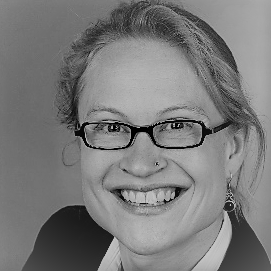
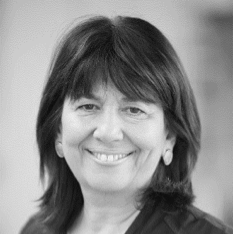
Always up to date: our two trainers Dr Gaby Schilling and Dr Kristina Böhlke were at this year's Petersberger Trainer Days, the "Summit of Continuing Education". There was inspiration from the neurosciences and inspiring business leaders, exhibitors from archery to VR glasses, workshops on blended learning and short-term coaching and much more.
Jetzt im Handel erhältlich: Emotionen sind die Sprache des Lebens. Sie haben uns schon handeln und entscheiden lassen, bevor es Worte gab. Empathie, Intuition, Körpersprache und Mimik sind die Voraussetzung für ein gutes Zusammenleben in der Gruppe. Doch nutzen wir unsere Potenziale im Business, im Coaching, in wichtigen Situationen ausreichend? Wie also küssen wir diese Fähigkeiten wieder wach? Antworten liefert Kristina Böhlkes neues Buch. Es ist eine Gebrauchsanweisung für den eigenen Körper, für unsere angeborenen Kommunikationsfähigkeiten und führt uns zu emotionalem Selbstvertrauen. In Kontakt mit den natürlichen emphatischen Fähigkeiten zu sein, den eigenen Wahrnehmungen vertrauen, um auf dieser Basis schnell und sicher handeln und reagieren zu können – das ist emotionale Agilität. „Bodyset statt Mindset“ steht dafür, dass wir unsere emotionale Agilität und unsere Intuition wieder bewusst nutzen lernen und zwar mit dem Körper als Ressource - denn der Kopf ist schon ausgelastet genug. Wer den Körper und seine Energien bewusst führen kann, spart Energie und schafft Vertrauen durch authentisches Auftreten. Mit den Möglichkeiten der Körper-Biologik setzt du die Dinge im Wortsinne in Bewegung- zum Beispiel im Coaching, im Consulting, im Führungsalltag oder vor Publikum.
How can international professionals be recruited and retained? Answers can be found in the new book by Dr. Zeina Matar and Cornelia Walter, now on sale: "Internationale Fachkräfte für die DACH-Region: Finden, binden und entwickeln in einer Arbeitswelt der Zukunft". Springer Gabler, 1. Aufl. 2023. In diesem Fachbuch werden notwendige Ressourcen und praktische Handlungsmöglichkeiten für Unternehmen aufgezeigt, um internationale Fachkräfte in der DACH-Region zu finden, zu binden und zu entwickeln. Anhand der von den Autorinnen durchgeführten Studie wird die Wechselbeziehung zwischen Human Resources und Internationalität analysiert. Das Buch ist nach der Employee Experience gegliedert und für Geschäftsführungen und Führungskräfte, Kommunikations- und Personalabteilungen, Relocation- und Personalservices geeignet.
Dr. Zeina Matar hat zusammen mit Cornelia Walter ein Buch für Mitarbeiter*innen im Personalwesen oder in den Service-Einrichtungen für internationale Mitarbeiter*innen an Universitäten, Forschungsinstituten und Unternehmen geschrieben. In diesem Fachbuch werden notwendige Ressourcen und praktische Handlungsmöglichkeiten für Unternehmen aufgezeigt, um internationale Fachkräfte in der DACH-Region zu finden, zu binden und zu entwickeln. Anhand der von den Autorinnen durchgeführten Studie wird die Wechselbeziehung zwischen Human Resources und Internationalität analysiert. Das Buch ist nach der Employee Experience gegliedert und für Geschäftsführungen und Führungskräfte, Kommunikations- und Personalabteilungen, Relocation- und Personalservices geeignet. Themen im Einzelnen: •Theorien und Konzepte zur Interkulturalität •Globale Studie zur Employee Journey •Arbeiten in der DACH-Region •Employer Branding und Active Sourcing •Onboarding internationaler Fachkräfte •Interkulturelle Mitarbeiterbindung und -engagement •Führen internationaler Fachkräfte •Homeoffice im In- und Ausland •Kompetenzen und Wissen, Lernen und Entwickeln •Offboarding Das Buch erscheint bei Springer Gabler und ist ab 04. September 2023 im Handel erhältlich.